Sourcing
Named species.
Named waterway.
Named program.
Every Fallow protein is sourced from an invasive species operating under an active removal program. "Responsibly sourced" is not enough. We name the species, the waterway, and the reason — on every bag.
Specific
Named species. Named waterway. Named program. Not "responsibly sourced."
Verifiable
Every bag carries a harvest code traceable to a licensed removal operation.
Net-positive
Harvesting these animals reduces ecological damage. The supply is encouraged.
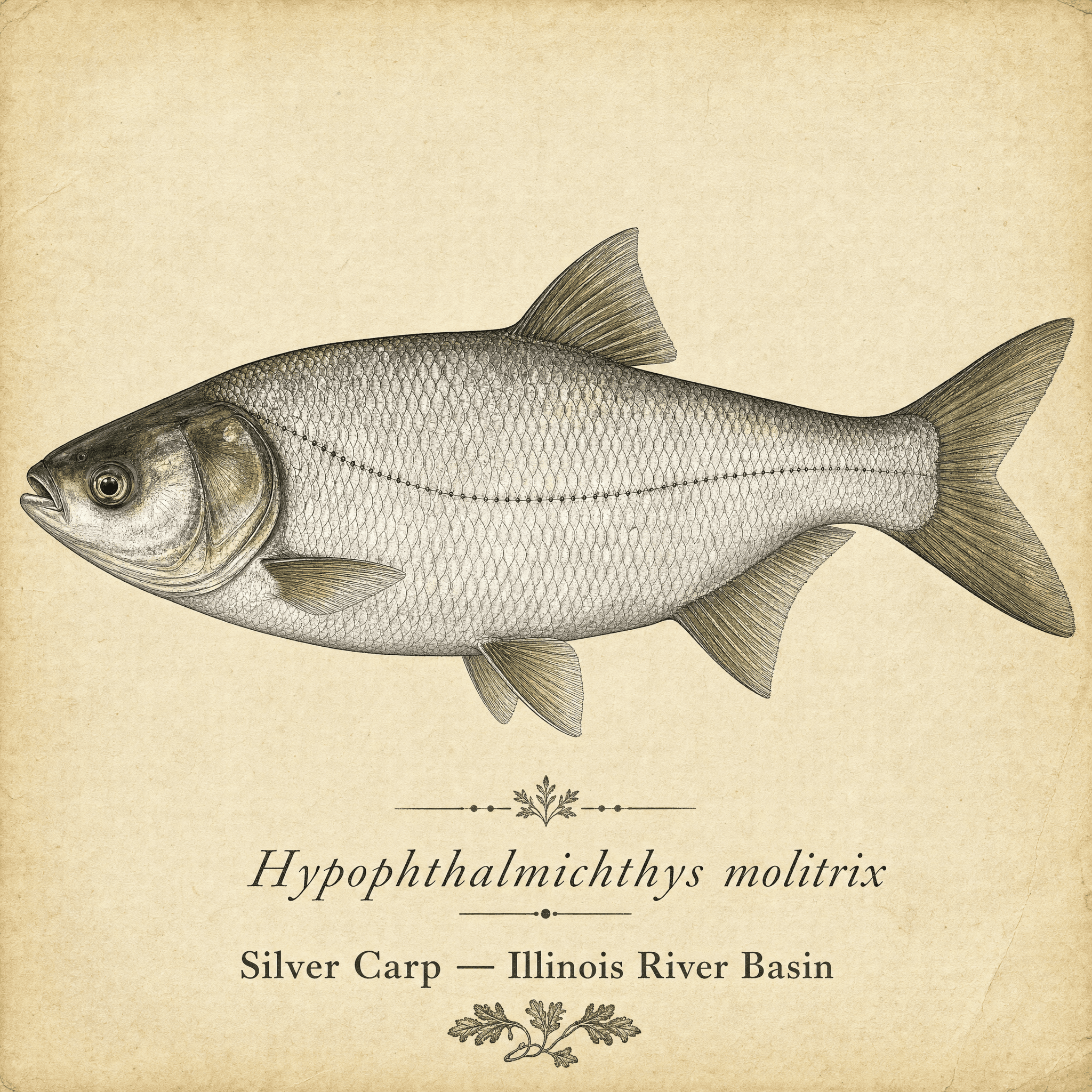
Silver Carp
Hypophthalmichthys molitrix
Native to eastern Asia · Illinois River
Silver carp were introduced to US aquaculture ponds in the 1970s to control algae. They escaped into open waterways during flooding and established themselves across the Mississippi basin with no natural predators to slow them. They now comprise up to 90% of fish biomass in some stretches of the Illinois River — outcompeting native species for food and oxygen at a scale that has reshaped entire waterway ecosystems.
Ecological impact
A single adult silver carp filters up to 20% of its body weight in phytoplankton daily — starving native filter-feeders, disrupting the base of the food web, and driving down native fish populations that have existed in these rivers for thousands of years. Illinois DNR runs active commercial removal operations year-round. The supply is not only abundant — its removal is actively encouraged by state and federal fisheries programs.
Why it works for dogs
Extremely high in protein (38g per 100g) and omega-3 fatty acids (2.1g DHA+EPA per 100g). Low in heavy metals compared to most ocean fish. The meat texture lends itself to multiple treat formats — air-dried strips, soft training bites, and freeze-dried single-ingredient pieces — all from one traceable supply chain.
Invasion range
Where they've spread —
and where we source.
1970s — Introduction
Silver carp imported to Arkansas aquaculture facilities for algae control. Escape events during flooding allow them into the Mississippi River.
1990s–2000s — Spread
Population expands rapidly through the Mississippi and into the Illinois River. Native fish populations decline. Federal programs begin targeting removal.
2010s–present — Established
Silver carp now dominate large stretches of the Illinois and Missouri Rivers. The Illinois River alone targets removal of ~7 million lbs per year. This is Fallow's supply chain.
Why this matters for supply
The scale of the invasion means supply is not a constraint — it's a resource. Illinois River commercial removal fisheries operate year-round under state mandate. Every pound purchased creates direct economic demand for continued removal. That's the model.
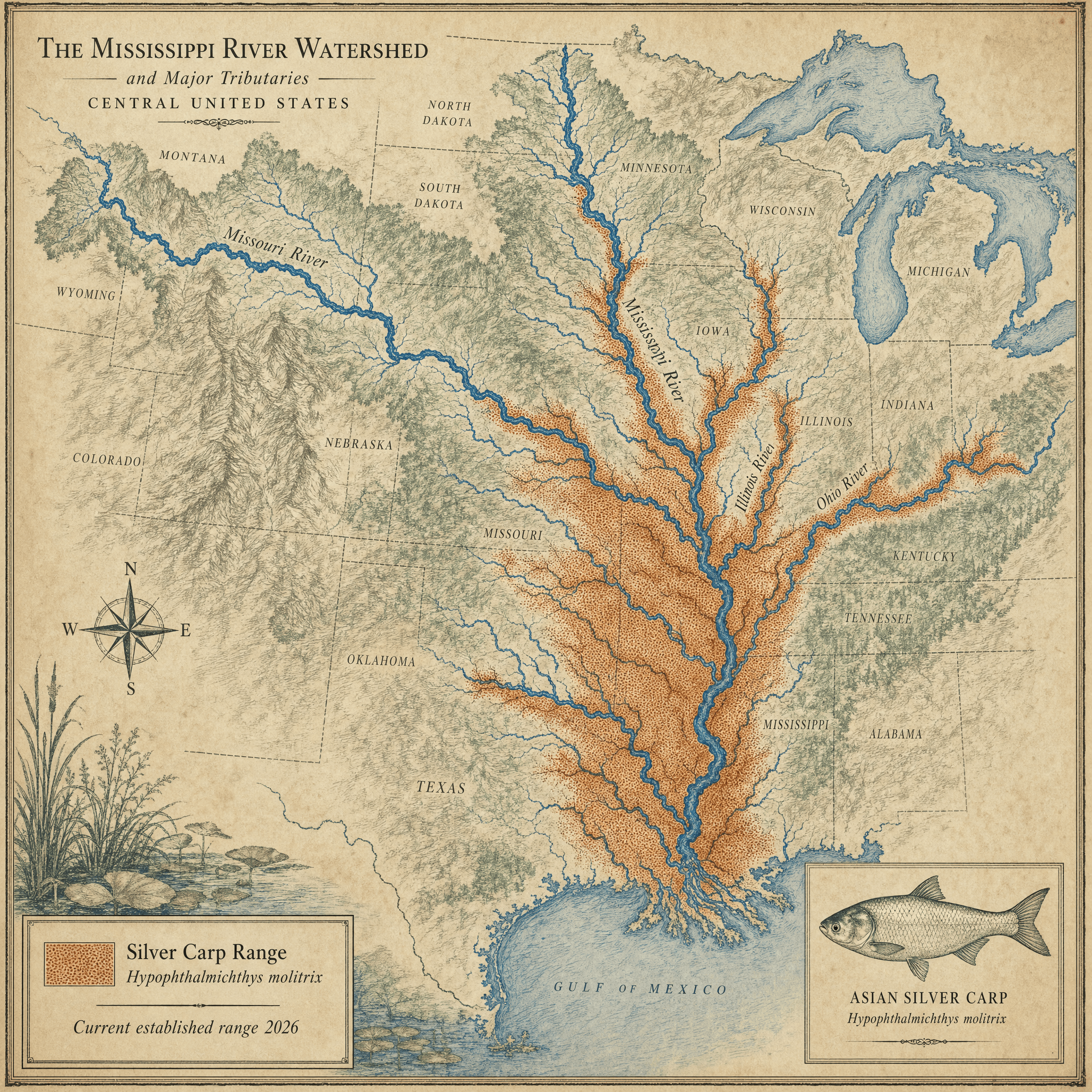
Silver carp established range — Mississippi basin, 2026
The silver carp line
Three formats.
One supply chain.
Silver carp's protein density and omega-3 content works well across multiple treat formats — all from the same Illinois River sourcing operation.
Air-dried jerky
Carp Strips
The hero SKU. Slow-dried to concentrate flavor and preserve protein. High-value reward for dogs, high-reorder for owners.
Soft, small — ~1cm pieces
Carp Training Bites
Designed for high-repetition training. Small enough to reward frequently without overfeeding. One ingredient.
Single-ingredient, freeze-dried
Freeze-Dried Carp
No heat, no additives. Full nutritional profile preserved. 18-month shelf life without preservatives.
How it works
From removal program
to your dog's bowl.
State removal programs
We source exclusively from fisheries and hunters operating under active state and federal invasive species removal programs. Every batch is traceable to a licensed removal operation — Illinois DNR, Missouri DOC, USDA Wildlife Services.
Single-ingredient processing
No fillers, no binders, no additives. The animal is the product. Dried at low temperature to preserve protein and omega-3 content. Processed in USDA-inspected facilities.
Batch traceability
Every bag carries a harvest code. Scan it to see the waterway, the removal date, and the program it came from. If we can't say where it came from, it's not in the bag.
Packaging
Kraft paper bags with a compostable inner liner. No plastic zip-locks. Printed with soy-based ink. We're working toward fully home-compostable packaging by 2027.
"We work with Illinois River fisheries that target invasive carp as part of state removal programs. Every batch is traced to the harvest location. If we can't say where it came from, it's not in the bag."
— Fallow sourcing commitment
Limited invasive drops
Small-batch editions,
released when supply allows.
Silver carp is the backbone of the line — abundant, traceable, and net-positive for the ecosystem. Beyond carp, other invasive proteins each carry their own story. Supply is thinner and seasonal, so these rotate in as small-batch drops, not catalog staples.
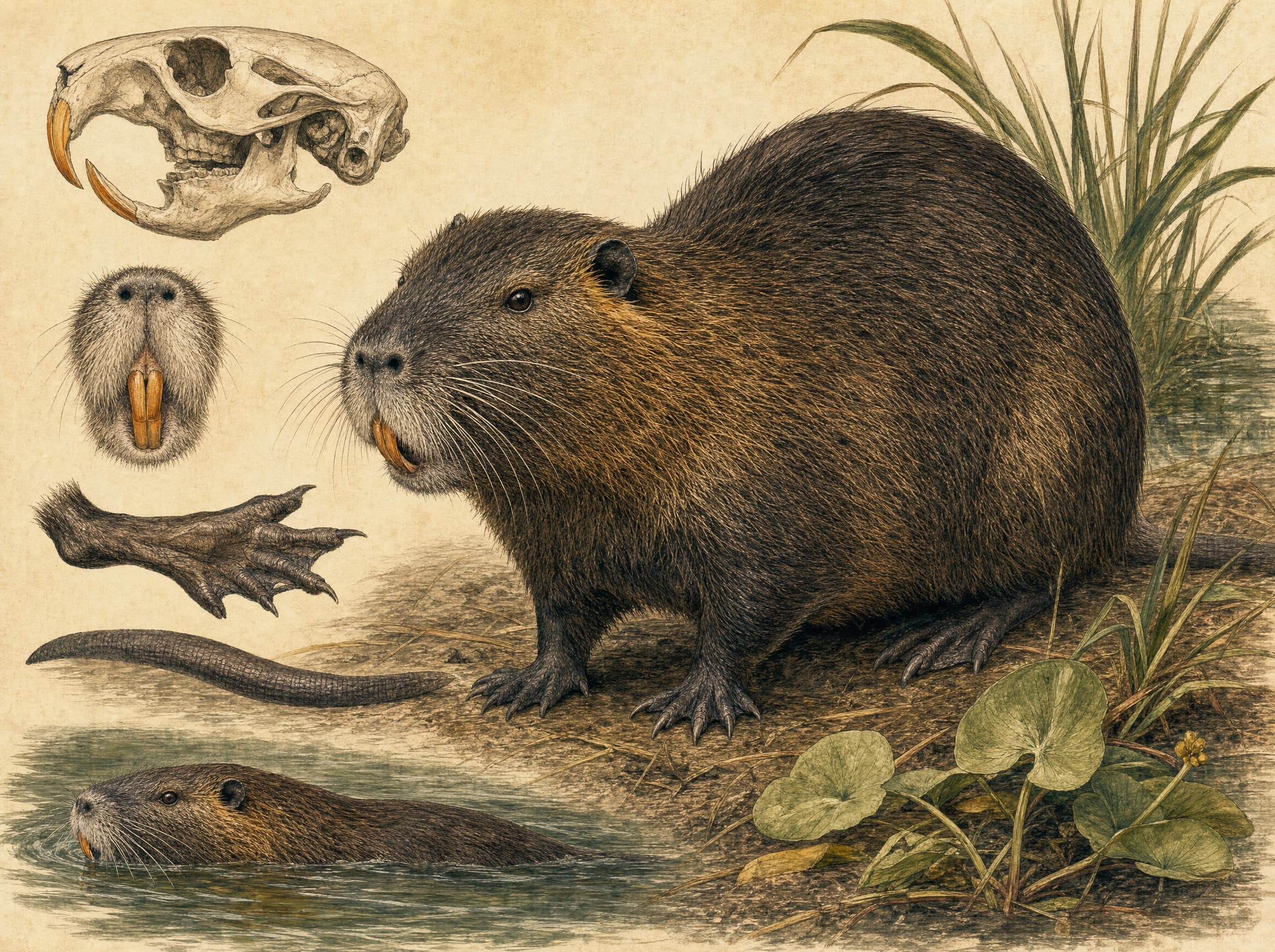
Nutria
Myocastor coypus
Gulf Coast wetlands
Semi-aquatic rodent introduced for fur farming. Destroys marsh ecosystems by eating plant roots, leaving bare mud flats. Louisiana alone has 20+ million. High in lean protein.
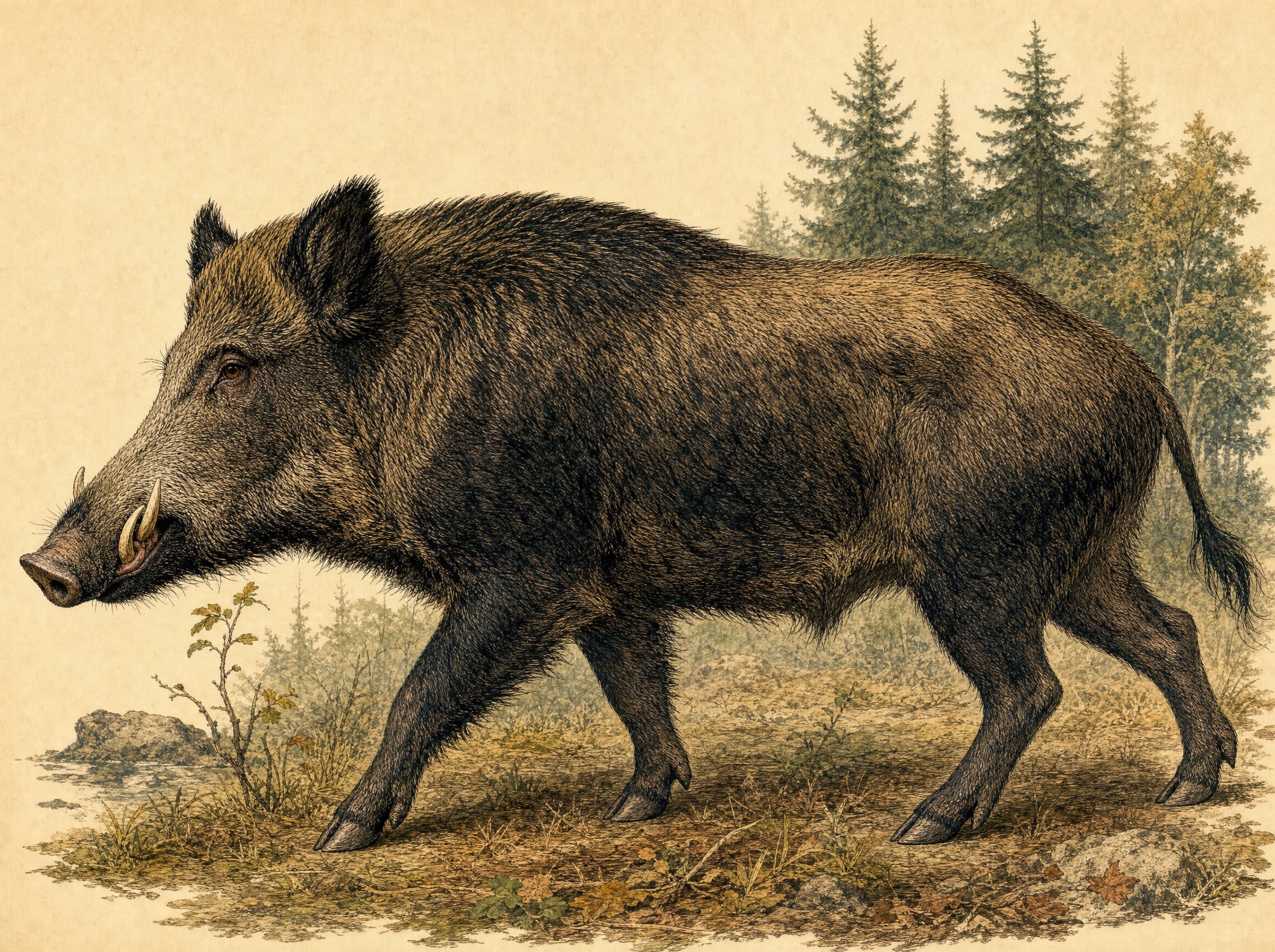
Wild Boar
Sus scrofa
Central & Southern US
Causes an estimated $2.5B in agricultural damage annually. Actively hunted year-round in most states. High-fat, high-protein — naturally suited for a high-value treat.
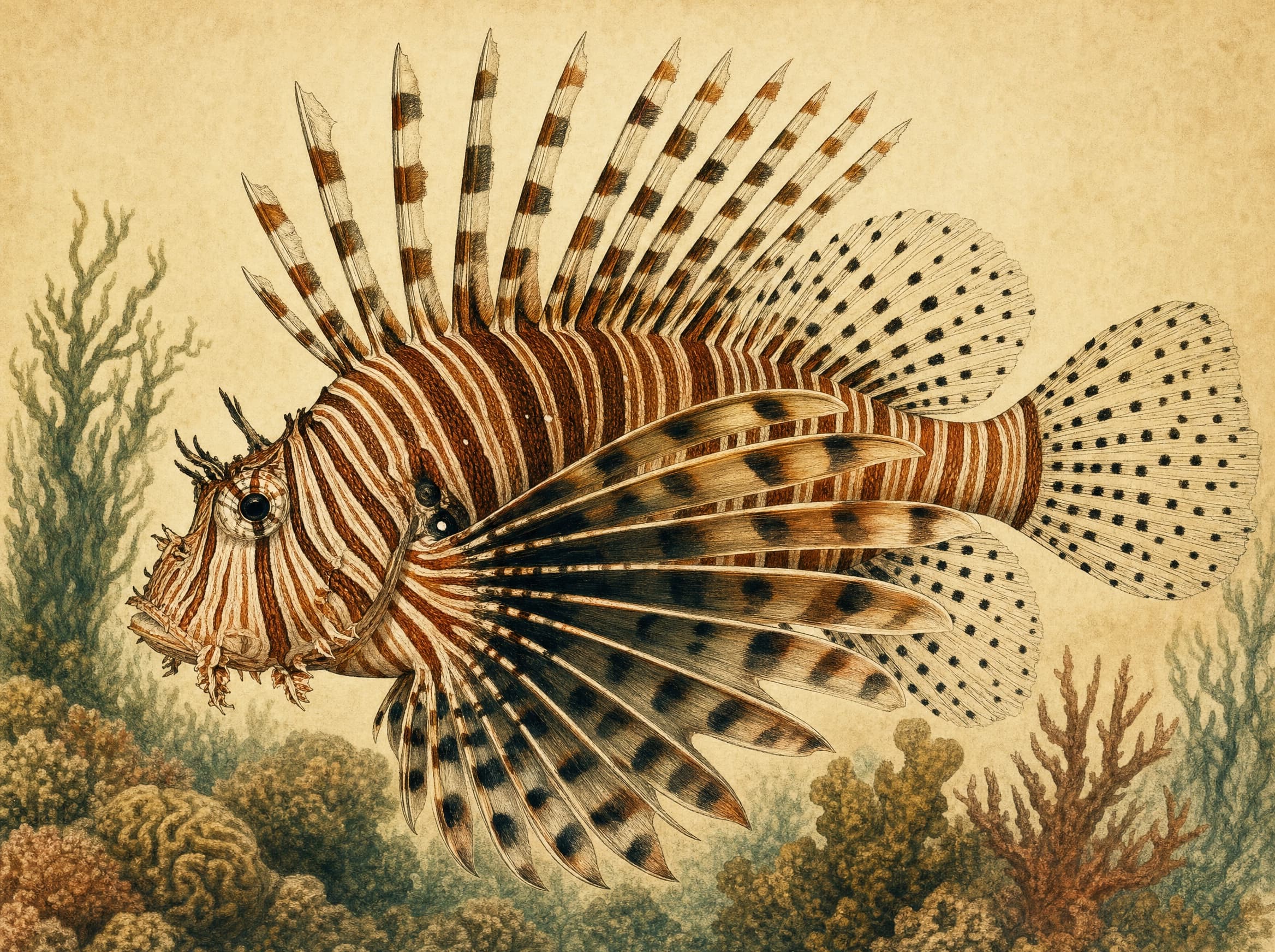
Lionfish
Pterois volitans
Atlantic coast, Gulf of Mexico
Invasive to Atlantic reefs since the 1980s. No natural predators. Devastating to reef fish populations. Delicious, high in omega-3 — currently underutilized.
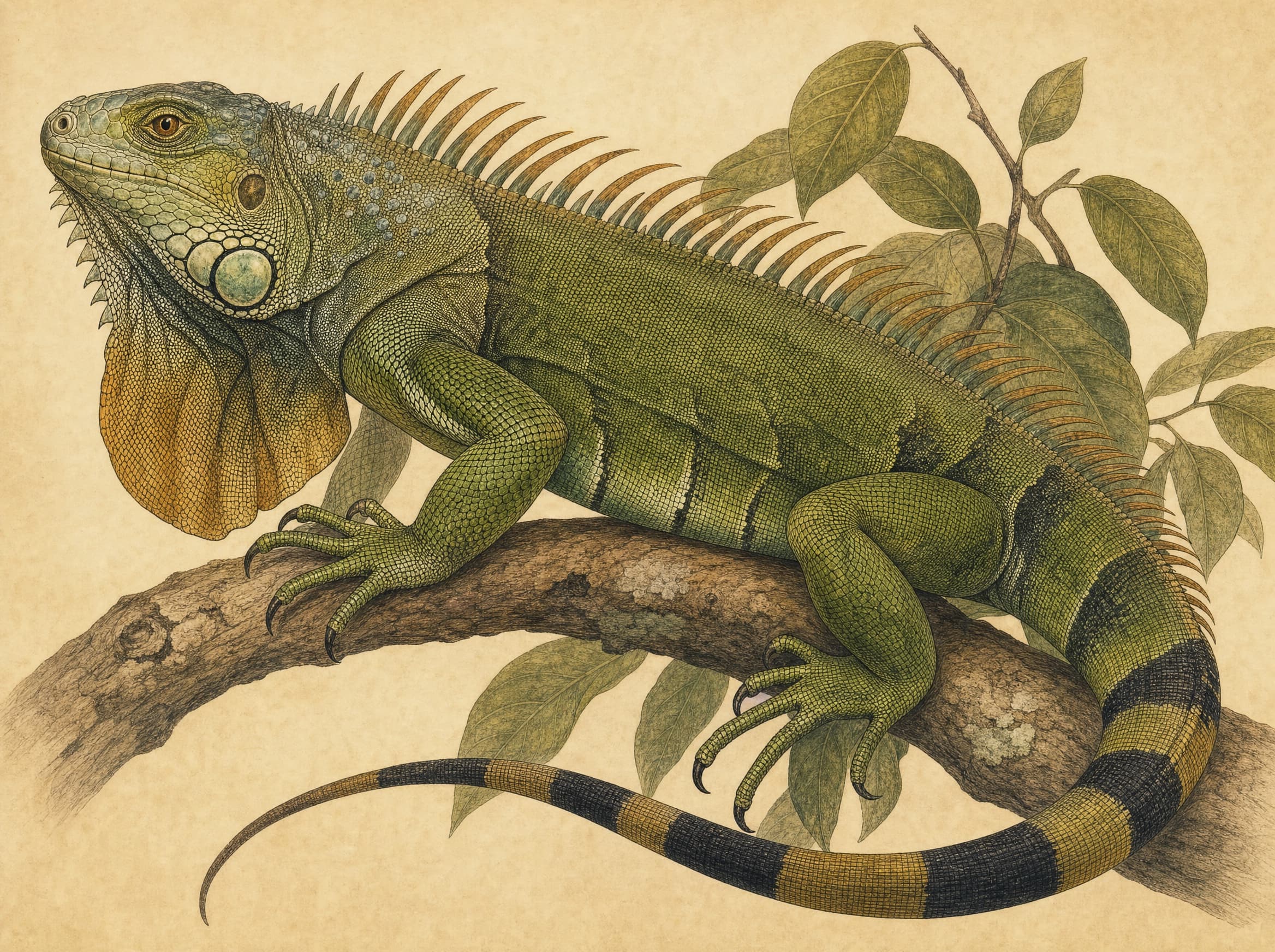
Green Iguana
Iguana iguana
South Florida
Widespread throughout South Florida. Damages infrastructure, displaces native wildlife. Florida FWC actively encourages removal. Novel protein with an unusual sourcing story.
Questions about sourcing